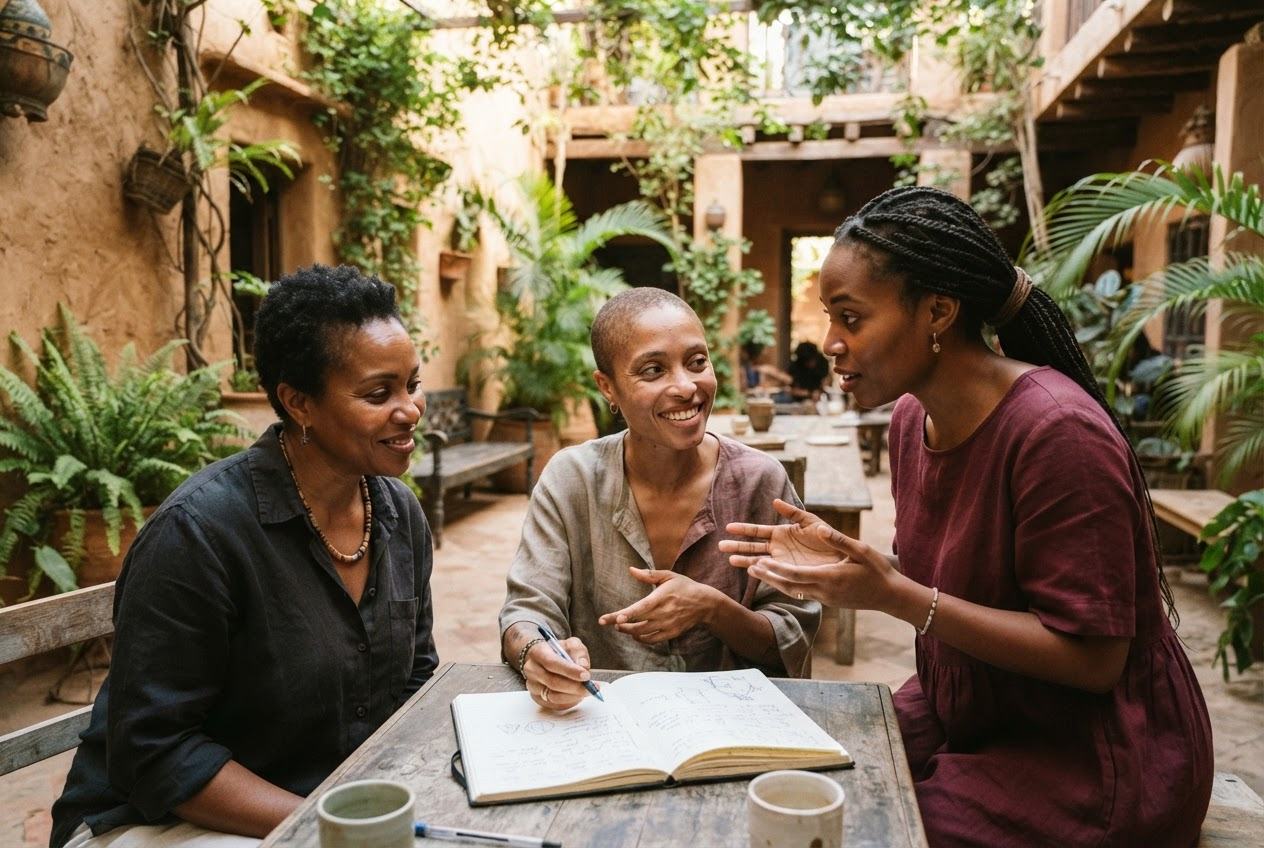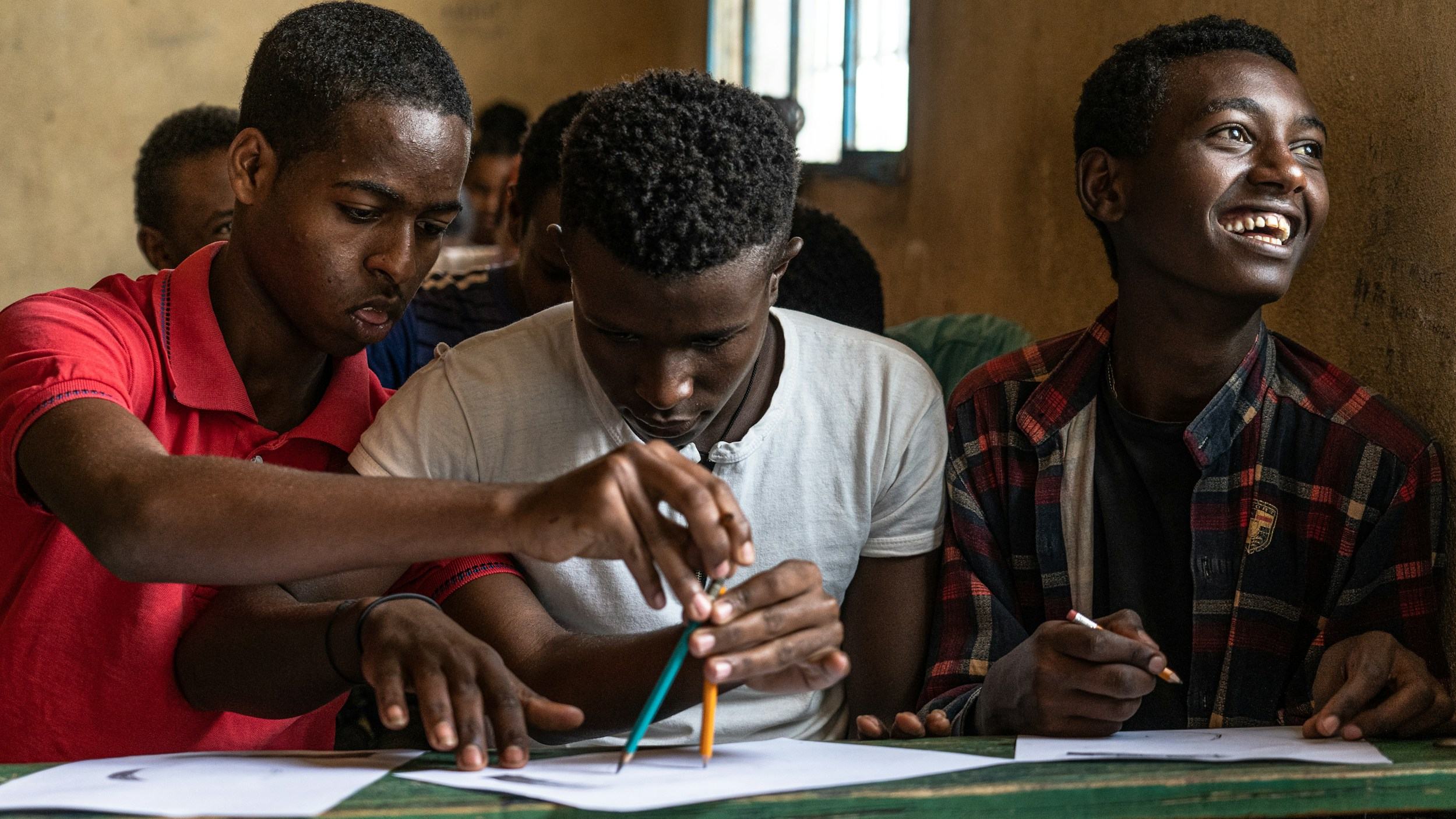
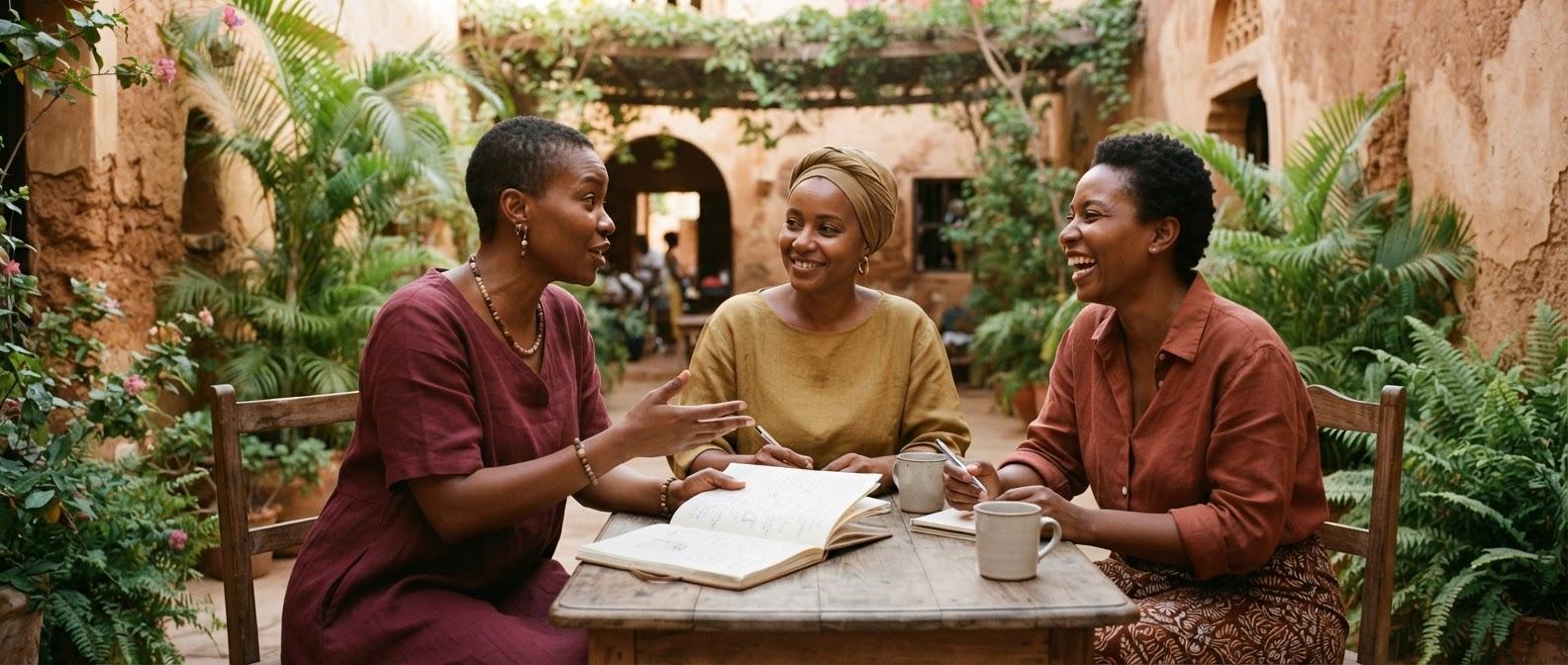
A meeting can be full of people and still leave important voices unheard. Inclusive leadership begins by noticing that difference — and asking what would make participation meaningful.
Listening is sometimes treated as the quiet part of leadership, something that happens before the real work begins. But the way we listen already shapes the decisions we make. It influences which experiences we recognise, which problems we see and whose ideas become possible solutions.
Start with a question.
Before offering an answer, consider asking: who is affected by this decision, and who has not yet had a chance to speak? The question does not need to be complicated. Its value lies in the willingness to act on what we hear.
In a peer-learning space, there is no single source of useful knowledge. A community contributor may recognise a barrier that is invisible to a formal decision-maker. A young person may frame a familiar challenge in an unfamiliar way. A woman’s everyday experience may reveal the practical cost of being excluded.
“Being invited is not the same as being heard.”
Make room for difference.
Good intentions alone do not create an accessible conversation. Timing, language, cost, connectivity and confidence all affect who can participate. So does the way a room responds when someone challenges an assumption.
Facilitators can make a difference through small, deliberate choices: share questions in advance, offer more than one way to contribute, allow time to reflect and avoid asking any one person to speak for an entire community.
For children, listening also requires specific safeguards. Participation should be age-appropriate, voluntary and supported by the right consent and care. Their perspectives should not be used as a symbol while adults retain every decision unchanged.
Close the listening loop.
Perhaps the most important part comes after the conversation. What did we learn? What will change? What cannot change yet, and why? Sharing those answers helps people see that their contribution was taken seriously.
Peer learning offers a way to practise this together. We can test a question, share a difficult moment and reflect on what happened without pretending to have every answer. Leadership becomes less about performing certainty and more about building a responsible shared practice.
Take this into your next conversation
Who is missing?
What would make it easier for them to contribute?
How will you show what happened to their ideas?